


Exploring the Themes and Impact of Esperando al Cliente by Jose Gutierrez Solana | 01/15/26
- hgirijee
- Feb 12
- 3 min read

José Gutiérrez Solana’s Esperando al Cliente stands as a powerful work that captures a unique moment in Spanish art and culture. This painting, rich in atmosphere and social commentary, invites viewers to reflect on themes of isolation, expectation, and the human condition. In this post, we will explore the key themes Solana presents, the historical and cultural context of the work, and its lasting impact on art and society.
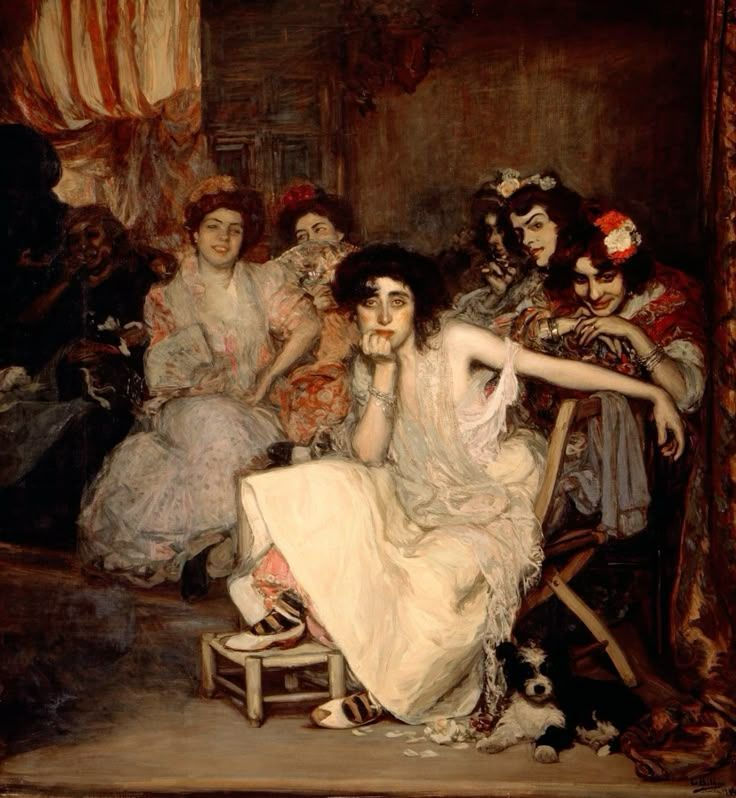
The Context Behind Esperando al Cliente
José Gutiérrez Solana painted during a turbulent period in Spain’s history, marked by social unrest and political change. His work often reflects the darker side of Spanish life, focusing on marginalized people and somber environments. Esperando al Cliente fits within this framework, depicting a scene that feels both intimate and unsettling.
The painting shows several figures waiting in a dimly lit room, their expressions and postures conveying a sense of tension and anticipation. This setting is not just a physical space but a metaphor for broader social realities. The title, which translates to "Waiting for the Client," hints at economic desperation and the transactional nature of human relationships in difficult times.
Themes of Isolation and Expectation
One of the most striking aspects of Esperando al Cliente is its portrayal of isolation. Each figure seems trapped in their own world, despite sharing the same space. This visual separation highlights the loneliness that can exist even in crowded or communal settings.
The act of waiting itself carries a heavy emotional weight. Waiting implies uncertainty and vulnerability. The figures do not know when or if the client will arrive, and this uncertainty mirrors the precariousness of their lives. Solana captures this feeling through muted colors, shadowy lighting, and the careful positioning of the characters.
Social Commentary on Marginalization
Solana’s painting goes beyond individual emotion to comment on social conditions. The figures in Esperando al Cliente appear worn and weary, suggesting lives marked by hardship. The setting could be interpreted as a brothel, a waiting room, or another space where people depend on others for survival.
This ambiguity invites viewers to consider the economic and social forces that shape these lives. The painting critiques a society where people must wait passively for opportunities or clients, highlighting issues of poverty, exploitation, and social invisibility.
Artistic Style and Techniques
Solana’s style in Esperando al Cliente combines elements of expressionism and realism. His brushwork is loose yet deliberate, creating a textured surface that enhances the mood of the scene. The color palette is dominated by dark browns, grays, and blacks, punctuated by occasional touches of muted reds and yellows.
This use of color and texture reinforces the painting’s somber tone. The composition directs the viewer’s eye around the room, encouraging a slow, careful examination of each figure and their surroundings. The lighting plays a crucial role, casting deep shadows that add mystery and depth.
The Impact of Esperando al Cliente on Spanish Art
Esperando al Cliente is a significant work within the Spanish art tradition for its unflinching portrayal of social realities. Solana’s focus on marginalized subjects and bleak environments influenced later artists who sought to depict the complexities of human experience without romanticizing them.
The painting also contributes to a broader understanding of early 20th-century Spain, offering a visual record of the emotional and social landscape during a time of change. It challenges viewers to confront uncomfortable truths about society and human nature.
Why Esperando al Cliente Still Matters Today
The themes Solana explores remain relevant. In many societies, people still face economic uncertainty and social isolation. The painting’s depiction of waiting and vulnerability resonates with anyone who has experienced uncertainty or marginalization.
Moreover, Esperando al Cliente encourages empathy. By presenting its subjects with dignity and depth, Solana invites us to see beyond stereotypes and recognize shared humanity. This message is powerful in today’s world, where social divisions often seem stark.
Comments